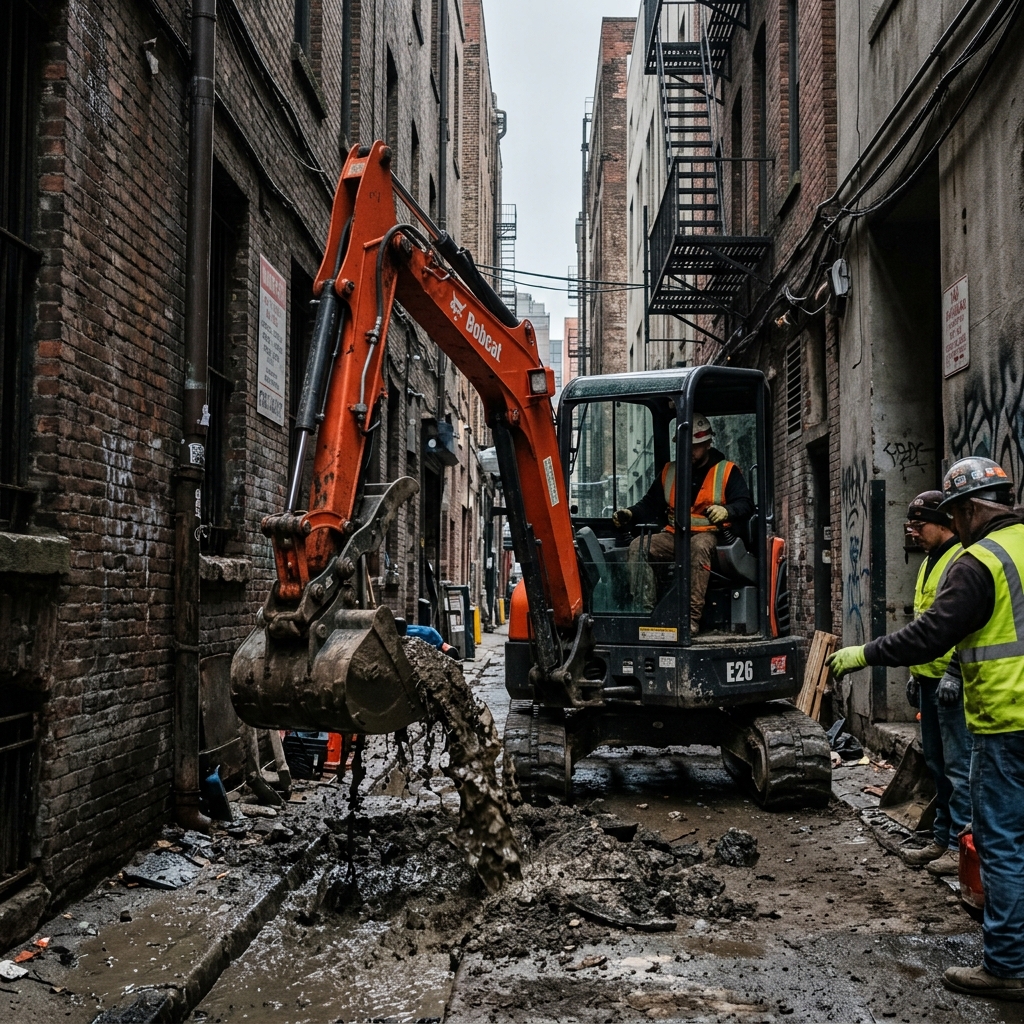
After a monsoon drain cleaning in your neighborhood, someone slips on wet sludge and breaks an arm. A cyclist hits unseen debris and crashes. A child playing near dumped waste steps on something sharp. These incidents rarely make headlines. They rarely get connected to drain cleaning. But they happen, every day, in cities across India.
The safety hazards created by roadside drain waste are invisible until they cause harm. This article examines the risks that municipalities accept every time they allow waste to be dumped on roads during drain cleaning.
When Sludge Hits the Road
Drain waste has no business being on roads. This material is wet, slippery, and unpredictable. It contains everything that was accumulating in the drainage system: decomposed organic matter, grit, debris, and often sharp objects that found their way into the drain.
When municipalities dump this material on roadside surfaces, they create immediate hazards:
- Wet sludge: Creates surfaces with near-zero friction
- Dried residue: Forms uneven surfaces and hidden obstacles
- Debris: Glass, metal fragments, plastic shards become road hazards
- Unstable piles: Waste stacks that can collapse or spread unpredictably
These hazards do not disappear quickly. Wet waste takes days to dry. Dried waste gets compressed into road surfaces. Debris becomes embedded in asphalt, creating permanent obstacles.
Pedestrians Bear the Highest Risk
Foot traffic near drain cleaning sites faces multiple hazards:
Slip and Fall
Wet sludge on footpaths has nearly identical friction characteristics to ice. Falls are common, particularly among elderly pedestrians and children. Injuries range from bruises to fractures requiring hospitalization.
Disease Exposure
Drain waste contains pathogens including bacteria, viruses, and parasites. Direct skin contact with fresh waste can cause skin infections. Accidental ingestion through hand-to-mouth contact is common, especially in children.
Sharp Objects
Broken glass, metal fragments, and jagged plastic often pass through drain grates only to accumulate during cleaning. These objects create puncture wounds and lacerations.
Air Quality
Decomposing organic waste releases hydrogen sulfide and other toxic gases. Nearby residents and pedestrians inhale these pollutants, causing respiratory irritation and longer-term health effects.
Vulnerable populations face the greatest risk: children walking to school, elderly residents going about daily tasks, pregnant women, and people with pre-existing respiratory conditions.
Drivers Face Serious Hazards
Vehicles encounter different but equally dangerous hazards:
Traction Loss
Wet sludge dramatically reduces tire grip on road surfaces. This affects braking distance, cornering stability, and acceleration. Two-wheelers are particularly vulnerable, with accidents increasing significantly on contaminated roads.
Hidden Obstacles
Dried waste piles can shift unexpectedly when driven over. Large debris fragments create sudden obstacles that force emergency maneuvers.
Vehicle Damage
Sharp objects embedded in road contamination damage tires and undercarriage. Corrosive materials in the waste accelerate rust on exposed metal components.
Visibility Issues
Waste dust kicked up by passing vehicles reduces visibility for all road users. This effect is particularly dangerous during peak traffic hours.
Traffic accidents near drain cleaning sites increase measurably in the days following cleaning operations. These incidents impose costs on vehicle owners, insurance companies, and the healthcare system.
Workers in the Cleaning Chain
Safety risks extend to everyone involved in the cleaning process:
Manual Entry Workers
Workers entering drains face immediate life-threatening hazards: toxic gas accumulation, drowning risk from sudden water influx, physical injury from debris, and disease exposure from direct contact with contaminated material.
Transport Workers
Those loading and unloading waste deal with continuous exposure to hazardous materials. Spills during transport create additional road hazards for other users.
Disposal Site Workers
Staff at disposal facilities receive contaminated materials without adequate protection. Repeated exposure to drain waste leads to chronic health problems.
The workers handling drain waste are often the most economically vulnerable members of the workforce. They lack the bargaining power to demand safer conditions, making systemic change even more important.
The Path Forward
Every safety incident from roadside drain waste is preventable. The solution is not more caution during traditional cleaning. The solution is eliminating the conditions that create these hazards.
Contained cleaning systems remove waste from drains and keep it contained throughout the entire process. Workers stay safer. Roads stay clean. Pedestrians and drivers face no increased risk.
Municipalities that care about public safety should care about how drain cleaning happens. The method determines the outcomes. Old methods create old hazards. New methods eliminate them.
No resident should have to worry about their child stepping on drain waste while walking to school. No driver should have to navigate around sludge that was just "helping" clear a drain. These are not acceptable trade-offs for effective drainage.
Request Demo For Your City