The problem starts after the cleaning
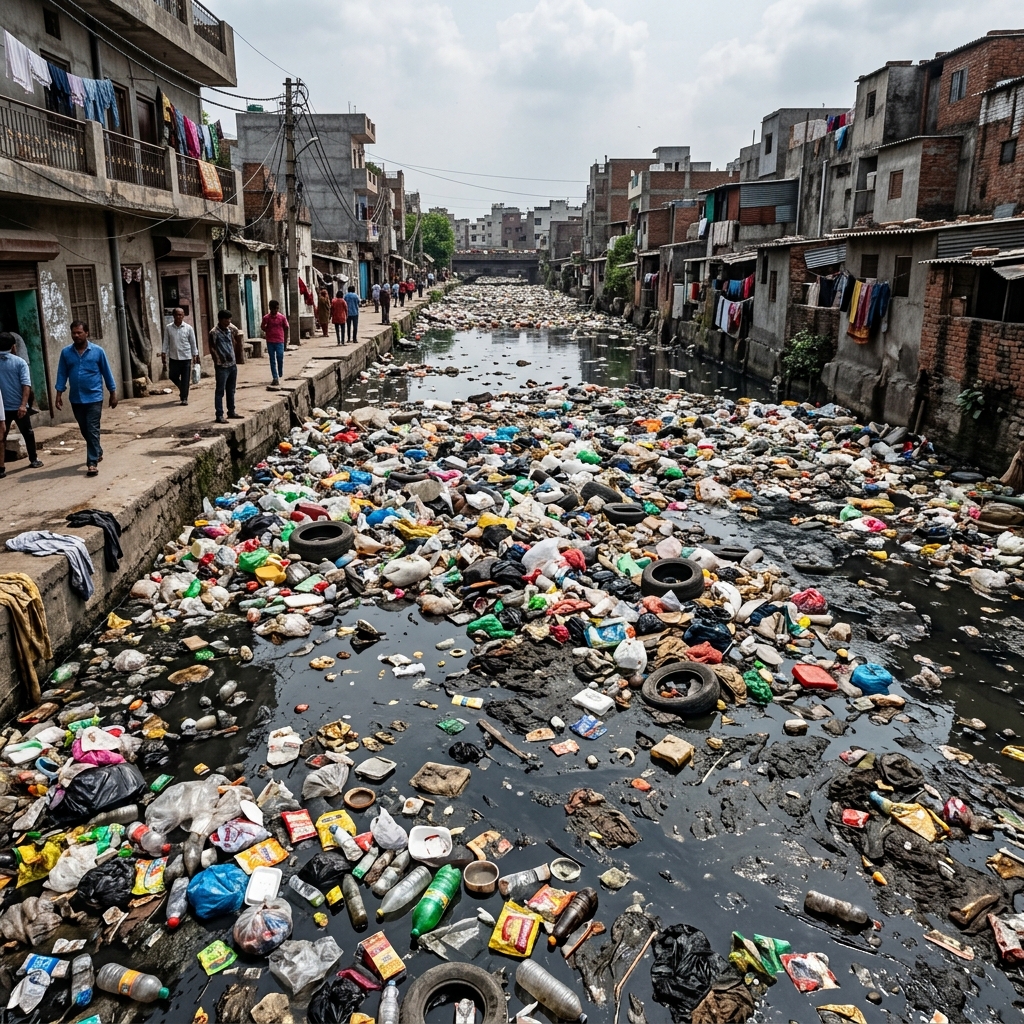
Silt is the waste collected in drains — mud, garbage, and debris that blocks water flow.
Over time, drains accumulate various materials:
This buildup reduces drain capacity, causes flooding, and creates health hazards. Regular cleaning is necessary — but current methods create new problems.
When waste is removed from drains and dumped on roads, it creates pollution again.
The cycle is simple but harmful:
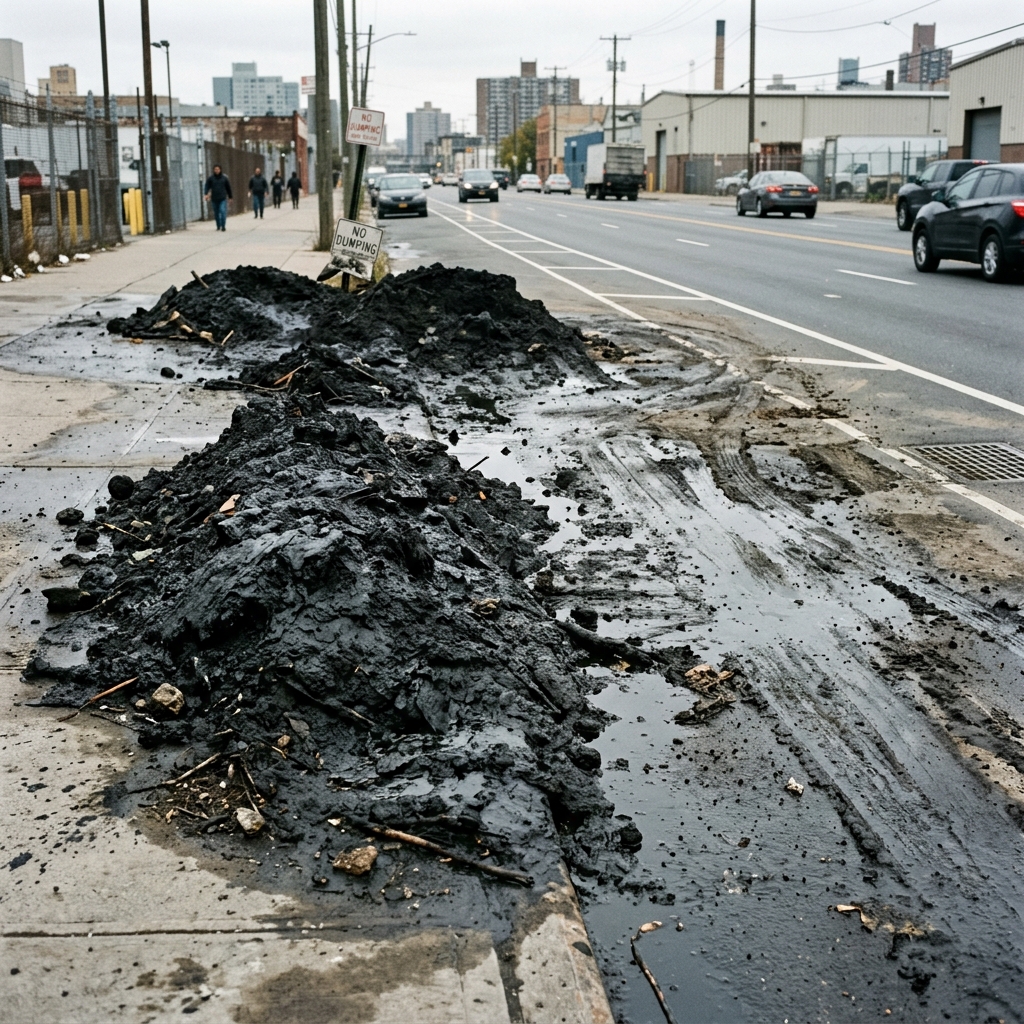
Traditional drain cleaning solves one problem but creates another.
No system to collect and store waste. It goes straight to the road.
Silt, water, and garbage mixed together. No filtering or treatment.
Workers exposed to waste. High health risks and low efficiency.
Without proper disposal, drains clog again quickly. Cycle repeats.
Dengue, malaria, infections, and waterborne diseases spread through stagnant waste.
Untreated waste makes roads unpleasant, dangerous, and difficult to clean.
Harmful gases release into air. Groundwater and soil get contaminated.
Municipalities spend more on repeated cleaning. No long-term solution.
See how the Cleanify system prevents secondary pollution completely.
Request Demo For Your City