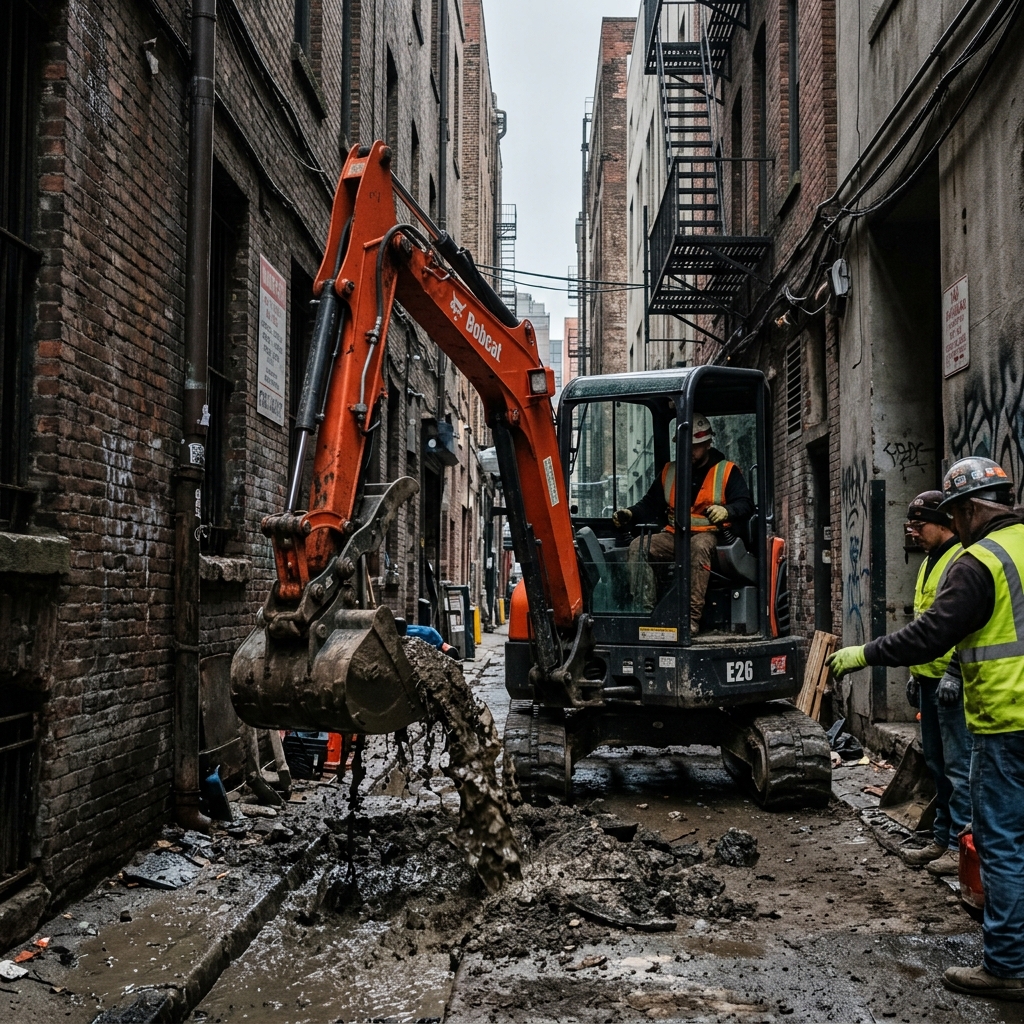
Imagine your kitchen sink is clogged. You call a plumber who clears the blockage. But instead of taking the debris away, he dumps it on your kitchen floor. The sink works now. Your floor is a mess. That is secondary pollution in drain systems.
This is exactly what happens in cities across India every day. Drains get cleaned, and the waste removed from them gets dumped on roads, vacant lots, and open spaces. The drain problem is "solved." The surrounding environment pays the price.
Regulatory Context (NGT & Environmental Compliance)
The issue of improper handling of drain waste and resultant pollution has been repeatedly addressed by the National Green Tribunal (NGT).
Key directions include:
- Waste generated from drains must be scientifically handled and not dumped in open areas
- Urban Local Bodies must ensure proper collection, transportation, and disposal of silt and sludge
- Improper handling leading to secondary pollution is considered a violation of environmental obligations
Relevant Case Reference
NGT Order (OA No. 92/2023 – Neelmani vs MCD & Others)
Order dated 04.09.2023 and subsequent orders including MA No. 115/2024 dated 04.07.2025
- Dumping of drain waste in open areas leads to secondary pollution
- Authorities must ensure scientific handling of desilted material
- Prevent re-entry of waste into drains and water bodies
Alignment with CPCB Guidelines
- Prevention of water contamination and leachate discharge
- Proper handling of municipal solid waste and sludge
- Avoidance of open dumping practices
Implications for Urban Local Bodies
- Environmental degradation
- Public health risks
- Increased operational inefficiency
- Regulatory scrutiny and legal exposure
A Day in Any Indian City
Let us walk through a typical scenario in a mid-sized Indian city during monsoon season:
Morning: A municipal crew receives complaints about a clogged drain in a residential area. Water is stagnating and residents are worried about flooding.
Midday: Workers arrive with basic equipment. They manually remove accumulated silt, debris, and garbage from the drain. The waste gets piled on the roadside.
Afternoon: The drain flows freely. But pedestrians now walk around piles of wet sludge. Vehicles kick up dust from dried waste. Residents close their windows against the smell.
Evening: A light rain falls. The roadside waste gets washed back into the storm drains, into nearby water bodies, or into groundwater. The cycle begins again.
This is not a worst-case scenario. This is standard practice in most Indian cities.
Why Secondary Pollution Stays Hidden
Several factors keep secondary pollution out of public discussion:
Divided Responsibility
Drain maintenance falls under one department. Road cleaning falls under another. Solid waste management falls under a third. When pollution moves between domains, no single agency feels accountable.
Measurement Gaps
Cities track drain cleaning frequency. They do not track roadside waste accumulation or its environmental impact. What gets measured gets managed. What goes unmeasured goes unnoticed.
Competing Priorities
Municipal budgets face constant pressure. Immediate needs like garbage collection and water supply feel more urgent than addressing pollution that spreads across multiple areas over time.
Lack of Technology
Most cities still use cleaning methods developed decades ago. Equipment that contains waste during cleaning exists but has not been widely adopted. Old methods create old problems.
The Long-Term Cost
Secondary pollution accumulates over time, creating cascading effects:
Environmental damage compounds. Heavy metals from drain waste accumulate in soil. They enter food chains through agricultural products. Waterways receive continuous contamination that affects aquatic life and drinking water sources.
Public health costs rise. Respiratory illnesses increase near dumping sites. Waterborne diseases spread when contamination reaches wells and groundwater. Healthcare systems bear costs that are never traced back to drain cleaning practices.
Infrastructure degrades faster. Corrosive elements in exposed waste damage road surfaces. Vehicles suffer accelerated wear. Maintenance costs multiply across multiple municipal departments.
Quality of life declines. Neighborhoods near regular dumping sites become unpleasant to live in. Property values drop. Residents who can afford to move away, leaving behind those with fewer options.
"Secondary pollution is the most expensive kind. It costs us in health, environment, and money, but we never see the full bill because it gets split across so many departments."
Breaking the Cycle
Addressing secondary pollution requires recognizing it as a distinct problem with its own solutions. The key is containment: waste removed from drains must stay contained until it reaches proper disposal facilities.
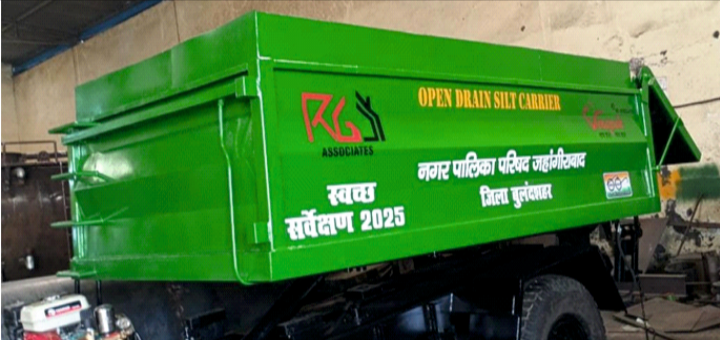
Modern equipment like the Vinayak ODSC is designed specifically for this purpose. By maintaining a closed system throughout the cleaning process, these machines prevent waste from entering the environment at any point.
Cities that have adopted containment-based cleaning report:
- Reduced respiratory illness complaints in cleaned areas
- Lower costs for road cleaning and maintenance
- Improved public satisfaction with municipal services
- Better compliance with environmental regulations
Secondary pollution is not inevitable. It is a choice cities make when they continue using outdated methods. The same effort that goes into cleaning drains can include the step that prevents pollution transfer. The only thing missing is the will to change.
Request Demo For Your City