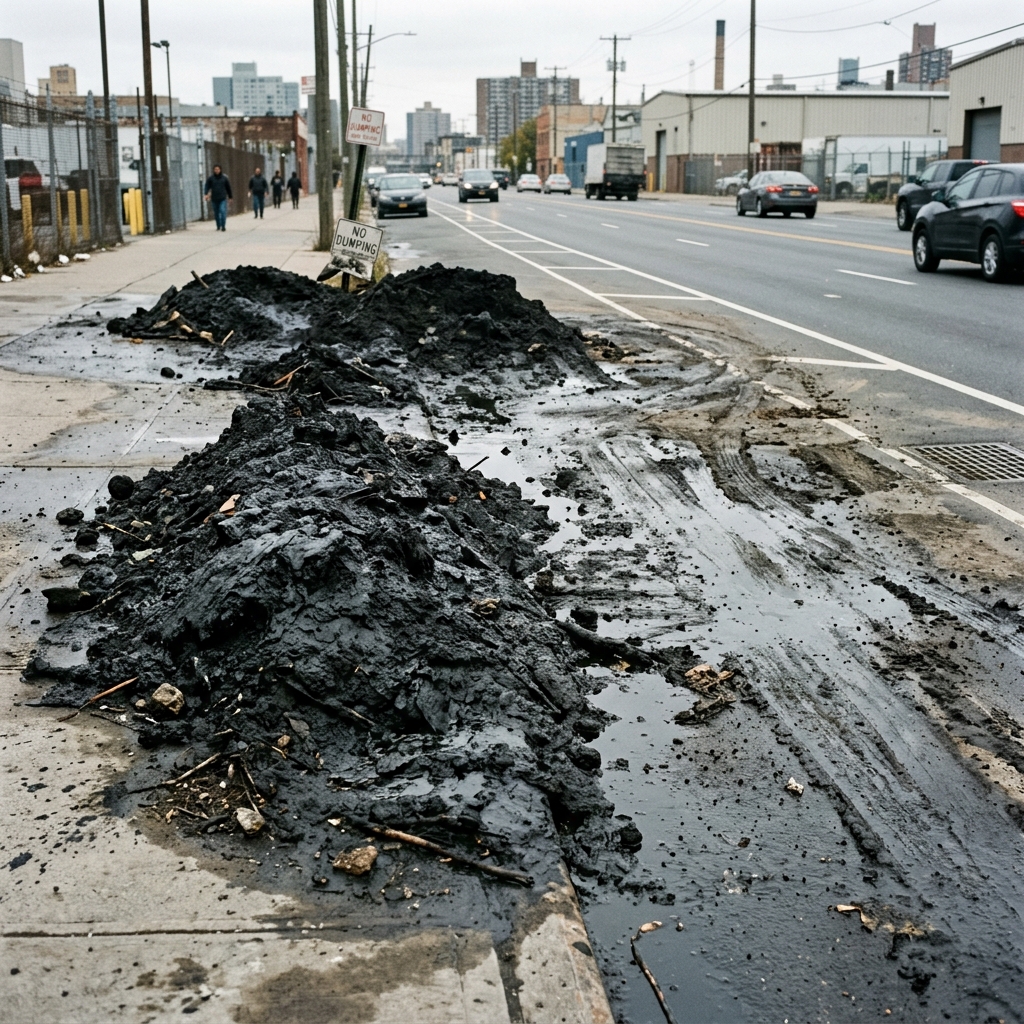
Across many Indian cities, especially during and after the monsoon season, drain cleaning activities follow a familiar pattern. Silt and sludge are manually removed from drains and deposited along roadsides or nearby open areas.
While this process clears the drains, it simultaneously creates new environmental challenges on the surface. This is not an incidental issue—it reflects the prevailing operational approach, where the focus remains on removing waste from drains without ensuring its safe handling, containment, and disposal.
Current Operational Practices
When municipal workers enter a drain, they face difficult conditions. Poor ventilation, stagnant water, and accumulated debris make manual cleaning hazardous. The process involves:
- Manual removal of silt using basic tools
- Temporary storage on roadsides or open land
- Transportation to disposal sites (where available)
- In some cases, unregulated dumping due to lack of infrastructure
Each stage presents risks of spillage, leakage, and environmental exposure, resulting in the uncontrolled spread of contaminants.
Nature of Drain Waste
Consider what drain waste actually contains. Beyond water and sediment, it includes:
- Heavy metals from industrial discharge
- Pathogenic microorganisms from organic waste
- Microplastics and synthetic materials
- Chemical residues and pesticides
- Solid waste such as plastics and packaging
Drain sludge is not merely sediment. It contains complex hazardous and non-hazardous materials.
"We clean 100 drains and create pollution on 100 roads. The problem moves location but never gets solved."
Secondary Pollution Mechanism
When this material is dumped on roads, it does not disappear. The pollution transfers through multiple pathways:
Air Pollution
Dried sludge becomes fine particulate matter, increasing respiratory risks.
Water Contamination
Rainwater runoff carries exposed waste into water bodies.
Soil Degradation
Chemical residues infiltrate soil and affect ecosystems.
Impact on Urban Systems
Public Health Risks
Exposed organic waste attracts insects and rodents, increasing disease-carrying vectors and local health risks.
Road Safety Concerns
Wet sludge on road surfaces reduces vehicle traction, increasing accident risk for pedestrians and two-wheeler riders.
Operational Inefficiency
Repeat cleaning cycles due to uncontrolled spillage lead to increased municipal expenditure and resource wastage.
Need for Controlled and Compliant Systems
Effective drain cleaning must go beyond removal. It must ensure safe containment, transportation, and disposal aligned with environmental norms.
- Prevent spillage and exposure
- Enable filtration and separation
- Ensure safe transportation
Towards a Sustainable Approach
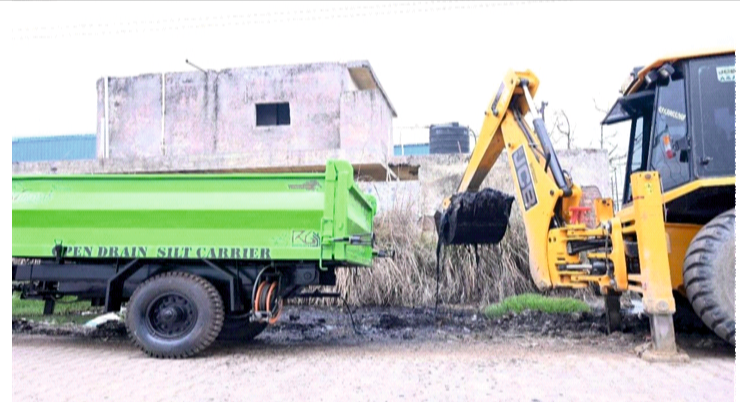
Solutions such as Cleanify ODSC enable controlled handling of desilted waste across all stages.
- Eliminates secondary pollution
- Improves compliance with NGT and CPCB
- Enhances operational efficiency
Drain cleaning should improve urban health—not relocate pollution.
Cities must shift from open manual handling to controlled, compliant systems.
Request Demo For Your City