
Repeated cleaning, waste handling gaps, and unstructured operations increase ULB expenditure
Traditional drain cleaning creates a recurring cycle:
Municipalities end up spending more without achieving long-term results.
Operational inefficiency directly translates into financial loss.
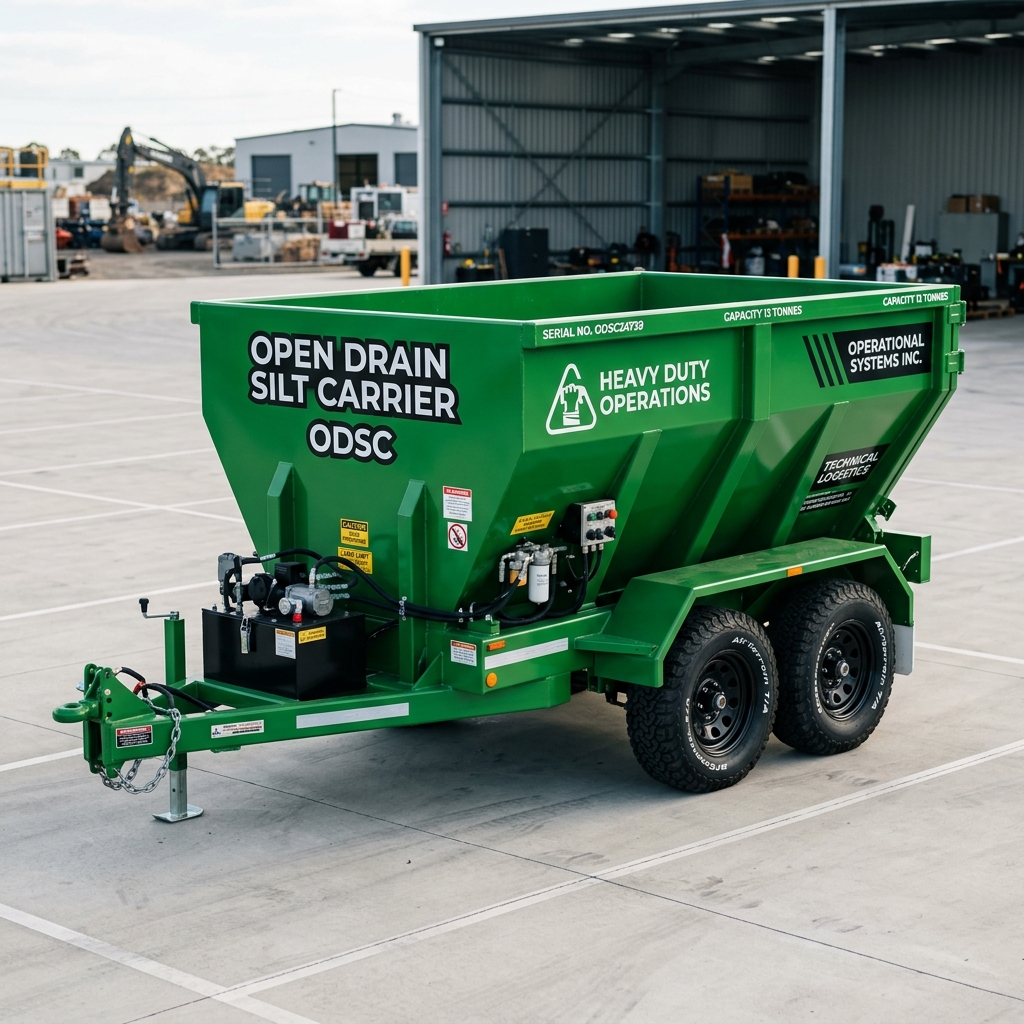
Hidden costs of current drain cleaning practices
Unstructured workflow (dump → reload → transport) → increased handling cost
Multiple trips due to unfiltered wet silt → higher fuel consumption
Silt re-enters drains → same work repeated → continuous budget drain
More time spent per drain → lower daily productivity
High expenditure with limited long-term impact
Funds spent on repetitive work instead of long-term solutions
Without proper silt management, ULBs spend more to solve the same problem repeatedly.
30–40% cost can be reduced with structured silt management
Why costs keep climbing
Lack of complete waste handling infrastructure
Incomplete removal creates recurring problems
Waste returns to drains, requiring more cleaning
An investment that pays for itself
Complete cleaning in fewer operations
Drains stay clean longer
Lower total cost over time
See how the Cleanify system reduces long-term cleaning costs through proper waste handling.
Request Demo For Your City