
Wet sludge reduces traction, blocks roads, and increases accident risk in urban areas
During drain cleaning, wet silt is often dumped on roads:
Dumped waste also blocks drainage, causing waterlogging and prolonged road hazards.
A routine cleaning activity turns into a public safety risk.
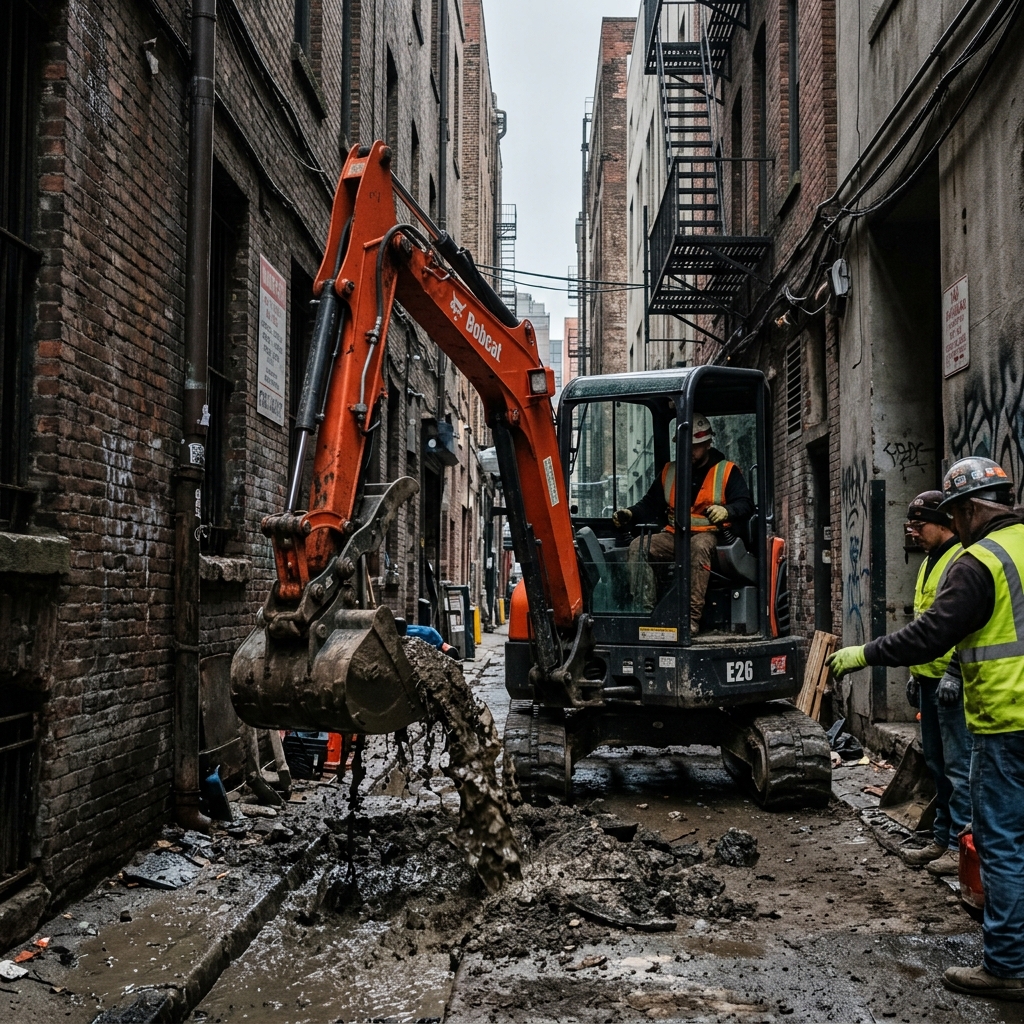
Unmanaged silt directly affects mobility, safety, and urban operations
Sludge damages tyres, brakes, and vehicle underbody
Blocked lanes lead to congestion and delays
Pedestrians and cyclists face highest exposure
Wet sludge reduces road friction
→ increases chances of vehicle skidding
Road width is reduced due to dumping
→ impacts traffic movement and emergency access
Repeated cleaning and blockage increase maintenance time and cost
Wet → Slippery → Accident
Drain cleaning without proper silt handling turns roads into temporary hazard zones.
Why roads become unsafe after cleaning
Dumped waste takes time to dry and clear
Lack of proper containers forces open dumping
Waste remains on roads for extended periods
A system that prevents road contamination
Waste is contained and removed immediately
Roads remain clean and safe during and after
Drains function properly without blockages
See how the Cleanify system prevents road hazards through proper waste handling.
Request Demo For Your City