
Every monsoon, Indian cities face the same crisis. Drains overflow. Roads flood. Municipalities scramble to clean. Yet despite years of practice, most cities still approach drain waste management the same way they did decades ago: remove what you can, dump it wherever you can, deal with the consequences later.
This is not for lack of trying. Municipal administrators understand the problem. Budget constraints, equipment limitations, and competing priorities create genuine challenges. But some cities are finding better ways, and their approaches offer practical lessons for others.
Every monsoon, Indian cities face the same crisis. Drains overflow. Roads flood. Municipalities scramble to clean. Yet despite years of practice, most cities still approach drain waste management the same way they did decades ago: remove what you can, dump it wherever you can, deal with the consequences later.
This is not for lack of trying. Municipal administrators understand the problem. Budget constraints, equipment limitations, and competing priorities create genuine challenges. But some cities are finding better ways, and their approaches offer practical lessons for others.
The Challenge Cities Face
Drain waste management in Indian cities is complicated by multiple factors:
Volume Variability
Monsoon seasons can multiply waste volume by 10x or more. Systems designed for normal conditions cannot handle peak loads, leading to shortcuts and emergency dumping.
Infrastructure Gaps
Many cities lack dedicated disposal facilities for drain waste. The material removed from drains often has nowhere proper to go, making roadside dumping the path of least resistance.
Fragmented Responsibilities
Drain cleaning, road maintenance, and waste disposal often fall under different departments with separate budgets. No single authority owns the complete waste journey.
Outdated Equipment
Most municipal cleaning fleets use equipment designed for a different era. These machines clean but do not contain, creating the secondary pollution problem by design.
The Missing Link: Waste Containment
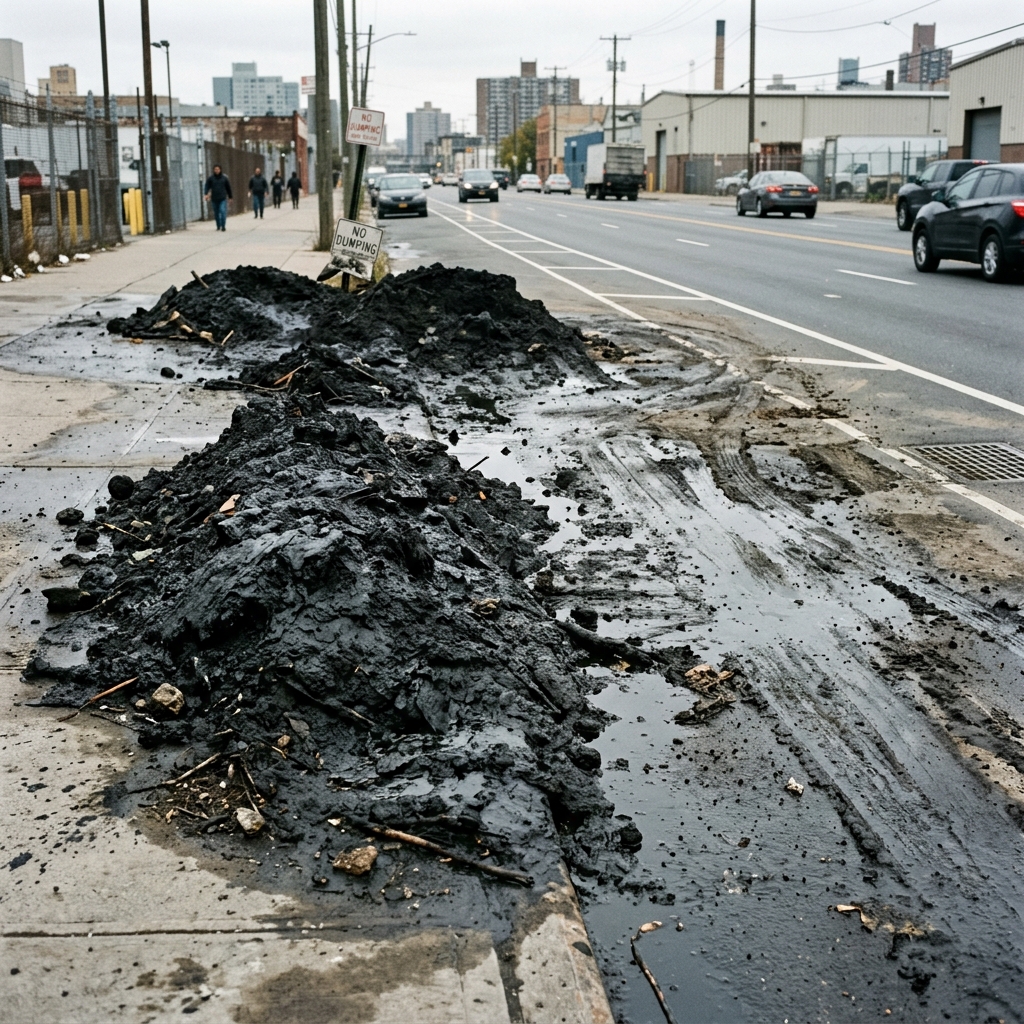
Most city drain cleaning operations focus on one thing: removing material from drains. This is necessary but not sufficient. The missing element is continuous containment from removal point to disposal site.
Think of it like garbage collection. You could scoop trash from bins and dump it on the street for collection trucks. The bins would be clean. The streets would be filthy. That is essentially what happens with drain cleaning in most cities.
A complete system requires:
- Containment during removal: Waste must be captured at the source, not released into the environment
- Sealed transport: Material should travel in closed containers that prevent spillage or exposure
- Direct disposal routing: Waste should move from collection to disposal without intermediate storage or handling
- Proper treatment options: Designated facilities that can process drain waste safely
Without all four elements, the pollution cycle continues. With them, cities can clean drains without creating new environmental problems.
What Better Drain Management Looks Like
Cities that have invested in proper drain waste management share common characteristics:
Clear Accountability
One department or agency holds responsibility for the complete waste journey, from drain to final disposal. This eliminates the hand-off problems where waste becomes someone else's pollution.
Modern Equipment
Cleaning machines with built-in containment systems replace older equipment that creates pollution during operation. The upfront investment pays for itself through reduced cleanup costs and environmental compliance.
Disposal Infrastructure
Cities establish or designate facilities capable of receiving and processing drain waste. This creates an end point for the waste stream, preventing indefinite accumulation or illegal dumping.
Performance Monitoring
Beyond tracking cleaning frequency, cities measure outcomes like road cleanliness near drain sites, water quality downstream, and public health indicators. What gets measured improves.
Practical Steps Cities Can Take
Transformation does not happen overnight, but cities can make progress through incremental improvements:
Audit Current Practices
Before improving, understand what is happening now. Track where drain waste goes after removal. Identify the biggest sources of secondary pollution in your city.
Require Containment Equipment
Update contractor and department requirements to specify equipment with containment capabilities. Make this a non-negotiable part of service agreements.
Establish Disposal Routes
Map out disposal options for different areas of the city. Establish relationships with processing facilities. Create logistics that make proper disposal the easy choice.
Pilot Projects
Start with one zone or ward. Test new equipment and procedures. Measure results. Use the data to refine approaches before city-wide rollout.
The cities that improve fastest are those that start somewhere. Perfection in drain waste management is a journey, not a destination. The key is taking the first steps while keeping the end goal in sight.
Request Demo For Your City

See the Solution in Action
Request a demo and see how Cleanify handles drain waste completely.
Request Demo For Your City